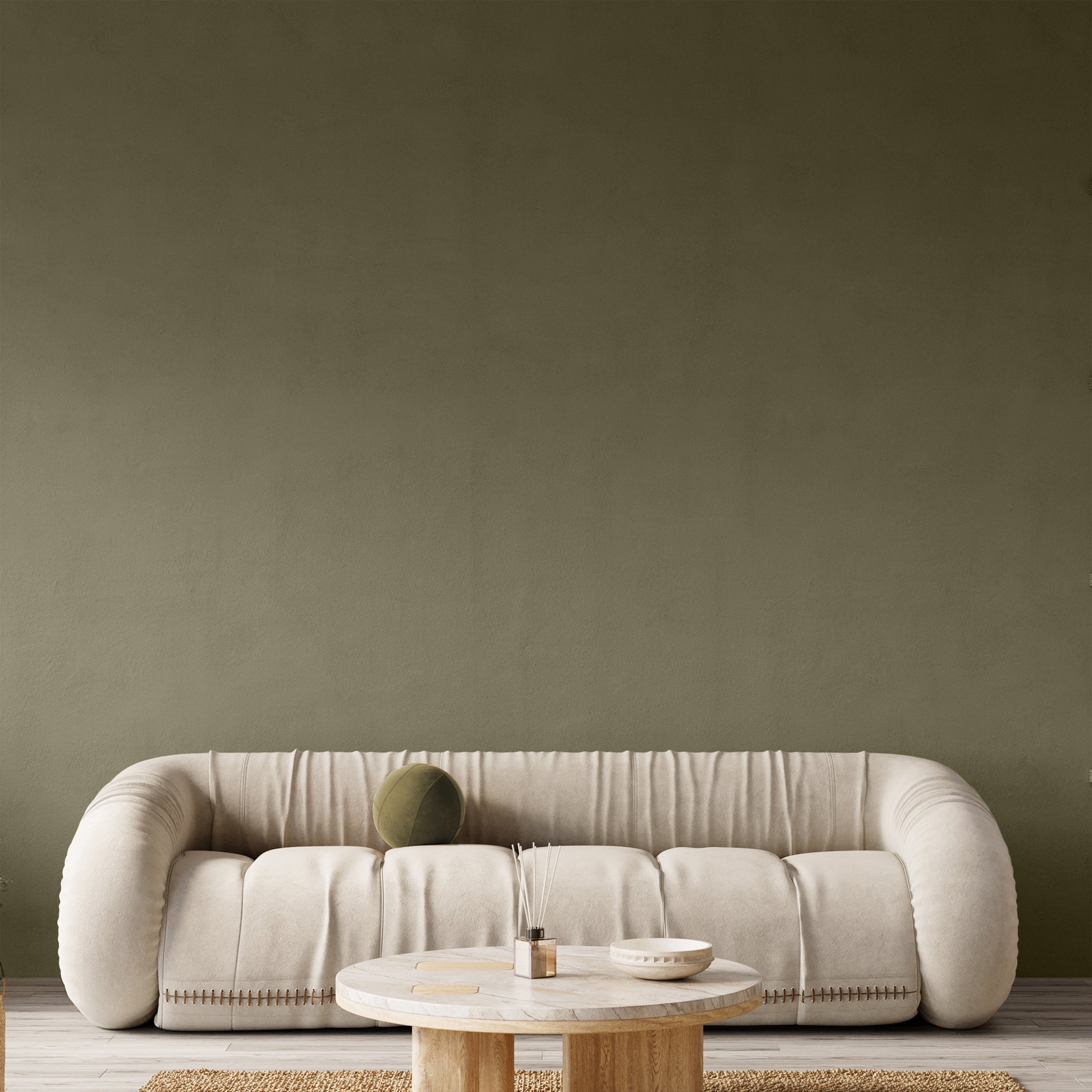
Pick the wrong finish and you'll know. Semi gloss on a bedroom wall catches every mark in the plaster. Low sheen on a hard-worked door wears thin where every hand lands.
The finish decision matters as much as the colour. It determines how your walls age, how much light they reflect, and whether they can handle what a room throws at them.
Here is what to use where, and why.
The Short Answer
Low sheen for most walls: living rooms, bedrooms, hallways, dining rooms, and kitchen walls.
Semi gloss for wet rooms and high-contact surfaces: bathrooms, laundries, skirtings, doors, trims, and cabinetry.
That covers 90% of decisions. The rest is detail.
What "Sheen Level" Actually Means
Sheen measures how much light a painted surface reflects. A flat or matte finish scatters light. A gloss finish bounces it back hard. Low sheen and semi gloss sit in between, and they behave quite differently in a real room.
Low sheen absorbs most light, diffusing it softly. This is why it hides surface imperfections so well. There is nothing to catch the light and throw shadows across the texture of the wall.
Semi gloss reflects significantly more light. That reflectivity is also what makes it easy to wipe down. The surface is denser, less porous, and more resistant to moisture and grease.
Both are durable. Both are washable. The difference is where each excels.
Low Sheen: Where It Works Best
Low sheen is the right choice for any room where the wall should serve as a backdrop, where you want a quiet, resolved finish that lets the space do the talking.
Living rooms. The soft reflectance works beautifully under natural light. Low sheen makes a warm neutral feel warm. It makes a deep tone feel considered rather than heavy. It is also forgiving. Furniture, frames, and doors brush past walls constantly, and low sheen handles that contact without showing every graze. Browse our living room paint colours.
Bedrooms. Low sheen creates the right mood: calm, unhurried. Bedrooms are lower-traffic than kitchens or hallways, so the additional durability that semi gloss provides is rarely needed here. Browse our bedroom paint colours.
Kitchen walls. This surprises people, but kitchen walls belong in low sheen too. The splashback behind the cooktop and sink takes the direct grease and water, so the walls themselves only deal with everyday marks, which a quality low sheen wipes down. Low sheen also hides the bumps and joins on a busy kitchen wall and calms the glare from stone, glass, and steel. Save semi gloss for the cabinetry and trim. Our full guide to the best paint for kitchen walls covers it in detail.
Hallways and dining rooms. The same logic applies. Most marks come off with a damp cloth. The finish hides the minor wall texture and imperfections that almost every home has, particularly in older plasterwork.
Where low sheen struggles: rooms with constant steam or condensation. A low sheen wall in a bathroom or laundry will hold moisture rather than repel it. That is when semi gloss earns its place.
Semi Gloss: Where It Works Best
Semi gloss exists for the rooms that are harder on walls, and the surfaces that take a daily beating.
Bathrooms and laundries. Steam, condensation, and mould pressure. Semi gloss is less porous, which means moisture does not penetrate the surface. It also resists the mould growth that a more absorbent finish would invite. These are the wet rooms where semi gloss belongs on the walls. Browse our bathroom paint colours.
Skirtings, doors, and trims. This is where semi gloss has always belonged. Trims take direct contact from furniture, feet, bags, and the general friction of daily life. The harder surface handles all of it. The slight sheen also gives trims their definition, so they read as architectural detail rather than afterthought.
Cabinetry and joinery. Kitchen cupboards, built-ins, and shelving get touched and wiped constantly. Semi gloss takes that wear and cleans up easily, which is why it suits cabinetry far better than the walls around it.
One thing to know: semi gloss shows surface imperfections more readily than low sheen. If your walls have texture or areas that were not perfectly filled before painting, semi gloss will catch the light on those spots. Surface preparation matters more with a higher sheen.
The Room-by-Room Guide
| Room | Finish | Why |
|---|---|---|
| Living room | Low sheen | Soft, forgiving, beautiful under natural light |
| Bedroom | Low sheen | Calm finish, suits lower-traffic spaces |
| Dining room | Low sheen | Works well across varied lighting conditions |
| Hallway | Low sheen | Practical, easy to spot-clean, hides wear |
| Kitchen walls | Low sheen | Splashback takes the splash zone; walls stay soft and forgiving |
| Kitchen cabinetry | Semi gloss | Wipeable, handles constant contact |
| Bathroom | Semi gloss | Moisture-resistant, mould-resistant |
| Laundry | Semi gloss | Handles humidity and regular splashes |
| Skirtings and trims | Semi gloss | Durable, defined, easy to clean |
| Doors | Semi gloss | Resists finger marks and daily handling |
| Exterior walls | Exterior low sheen | UV-resistant, stable under Australian conditions |
Good Drop makes interior low sheen and semi gloss in the same curated palette. The colour stays consistent across every room, only the finish changes. Browse the full paint range.
The Australian Light Factor
Most paint guidance was written under European or American skies. Our conditions are different, and they change how finish decisions play out.
Australian sun is intense. UV levels are high. This affects two things.
First, sheen reads more boldly in Australian light. A semi gloss finish in a north-facing room with direct afternoon sun can feel uncomfortably reflective. The light bounces hard and the wall draws attention in a way that works against the space. Low sheen handles this better, softening the light rather than amplifying it. It is one more reason kitchen and living walls do best in low sheen.
Second, colours read more saturated under intense UV. A colour that appears neutral in a store can look more vivid once it is on your wall in direct light. Muted tones in a low sheen finish tend to behave most predictably under Australian conditions.
Practical guidance: keep semi gloss for the wet rooms and the trims, and lean on low sheen for the broad walls, especially in north-facing rooms with direct sun. South-facing bathrooms and laundries are ideal candidates for semi gloss, where the finish is moisture-resistant and the light is gentle enough that the sheen never feels harsh.
What If You Want the Same Colour Throughout?
You can. And it is often the most considered approach.
Choose a single colour and run it through the whole home: living areas and kitchen walls in low sheen, bathroom and laundry in semi gloss, skirtings, doors, and cabinetry in semi gloss throughout. The colour reads as one coherent home. The finish changes to meet each surface's demands.
This works particularly well with warm neutrals, soft whites, and earthy tones, colours that behave consistently across sheen levels without shifting dramatically in undertone.
Good Drop's curated palette was designed with this in mind. Every colour works in interior low sheen, semi gloss, and exterior low sheen. Same colour, the right finish, every room.
Start with a sample. See the colour in your own light before you commit.
Frequently Asked Questions
What is the difference between low sheen and semi gloss paint?
Low sheen absorbs most light, creating a soft finish that hides wall imperfections. Semi gloss reflects significantly more light, creating a denser surface that is more resistant to moisture and easier to wipe clean. Low sheen suits most living areas and kitchen walls; semi gloss suits wet zones and high-contact surfaces like bathrooms, laundries, cabinetry, and trims.
Which paint finish is best for interior walls?
Low sheen is the standard choice for most interior walls: living rooms, bedrooms, hallways, dining areas, and kitchen walls. It is durable, washable, and forgiving on walls that are not perfectly smooth. Semi gloss is preferred in bathrooms and laundries, and on trims and cabinetry, where moisture and contact resistance matter most.
Should I use semi gloss or low sheen in my kitchen?
Low sheen on the walls, semi gloss on the cabinetry and trim. The splashback behind the cooktop and sink handles the direct grease and water, so kitchen walls only face everyday marks, which a quality low sheen wipes down. Reserve semi gloss for the cupboards, doors, and trims that take constant contact.
Is low sheen paint good for bathrooms?
Semi gloss is the better choice for most Australian bathrooms. It is less porous, repels moisture, and resists the mould growth that a more absorbent finish would encourage. Low sheen can work in bathrooms with good ventilation and limited direct moisture exposure, but semi gloss is the safer specification. For more detail, see our guide to the best paint for bathroom walls in Australia.
What paint finish do interior designers use?
Most specify low sheen for walls and semi gloss for trims, doors, skirtings, cabinetry, and wet rooms like bathrooms and laundries. Running a single colour in two finishes, low sheen through the living areas and kitchen and semi gloss in wet rooms and on detail, is a common approach for a resolved, whole-home result.
Can I use semi gloss paint on all walls?
Technically yes, but it is not ideal for most rooms. Semi gloss shows surface imperfections more readily than low sheen, and in rooms with direct natural light the reflectivity can feel harsh. For living rooms, bedrooms, and kitchen walls in particular, low sheen produces a better result.
Does low sheen paint show imperfections?
Low sheen is good at hiding minor wall imperfections: texture variation, small bumps, and the normal unevenness of plaster. This is one of its main advantages over semi gloss. In older homes with walls that were not perfectly prepped, low sheen is the more forgiving choice.
What sheen is best for high-traffic areas?
Semi gloss for surfaces that take direct contact: trims, doors, skirtings, cabinetry, and the walls of wet rooms like bathrooms and laundries. For high-traffic wall areas like hallways and kitchens, a quality low sheen is washable enough for regular use.
The finish decision is straightforward once you know the logic. Most walls: low sheen. Wet rooms, trims, and cabinetry: semi gloss.
Good Drop makes both, in a curated palette designed for Australian homes. Order a sample and see the colour in your own light.